

The First Buses in the Czech Republic Are Now Running on LNG from GasNet
5/22/2025
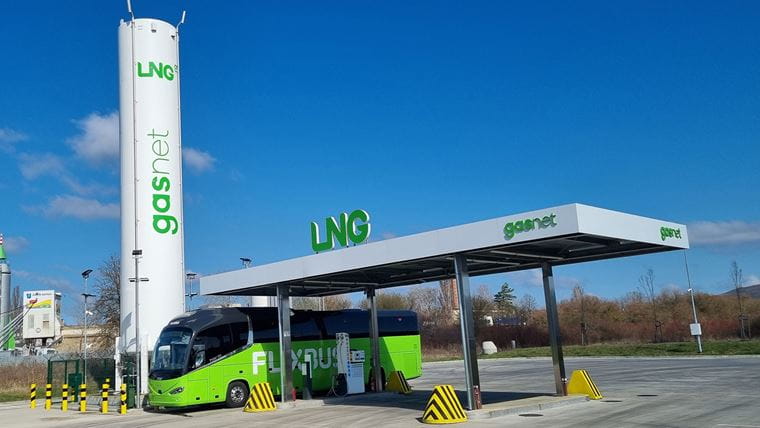
The long-distance route runs between Prague and Krakow in Poland. The line connects major cities in the Czech Republic and Poland, operating both day and night services: Prague, Brno, Olomouc, Ostrava, Katowice and Krakow. The route will be served by two modern Irizar i6s buses, equipped with Scania engines and designed to reduce CO₂ emissions while offering high levels of comfort.
“This is the first long-distance LNG bus in the Czech Republic — not only in our fleet, but on the market overall. It’s also the first international route operated by LNG buses in the entire FlixBus fleet. After Italy and the Netherlands, the Czech Republic and Poland are the next location in Europe where FlixBus is introducing this technology for regular busline services,” says Michal Leman, FlixBus's Vice President for the Eastern European region.
In the Czech Republic, the buses will refuel with LNG (liquefied natural gas) at GasNet’s network of LNG stations. The largest gas distributor in the country currently operates six LNG filling stations located near the busiest highways.
“We are extremely pleased to have expanded our customer base to include passenger bus transport. In personal transport, especially, which passes through populated and built-up areas, both passengers and nearby residents will benefit from reduced emissions and engine noise,” says Filip Dostál, Head of Business Development at GasNet.
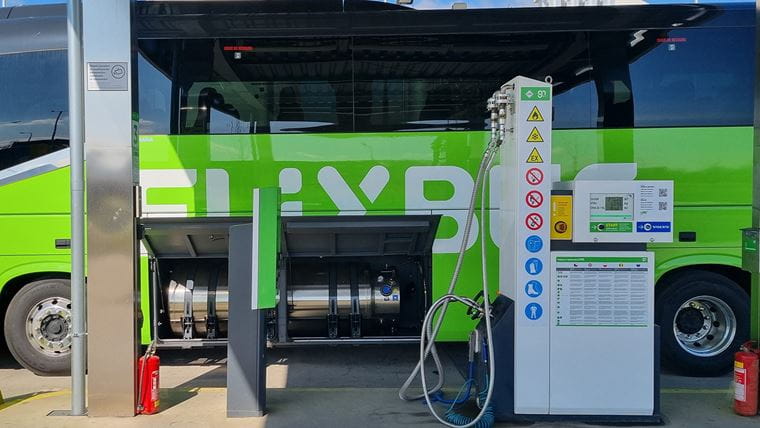
GasNet’s LNG Reduces the Carbon Footprint of Transport
LNG (liquefied natural gas) is an alternative fuel which is already in use and can reduce CO₂ emissions by between 10 and 15% compared to traditional diesel engines, depending on the route and operational conditions. LNG technology has already proved to be effective in freight road transport, establishing its reliability and accessibility as a fuel.
“Compared to diesel engines, LNG engines emit around 70% fewer nitrogen oxides. Furthermore, burning liquefied gas releases no particulate matter, which significantly improves air quality in the surrounding area. LNG engines are also quieter than diesel ones,” adds Filip Dostál from GasNet.
Additionally, the buses can be upgraded at any time to run on advanced liquefied biomethane (bioLNG). This renewable, low-emission fuel is made from sources such as agricultural waste or food scraps and enables an even greater reduction in emissions than diesel. A truck powered by bioLNG has a carbon footprint that is up to 95% lower than that of a diesel truck. Since 2023 bioLNG has been available at GasNet stations, making GasNet the first distributor to bring it to the Czech market.
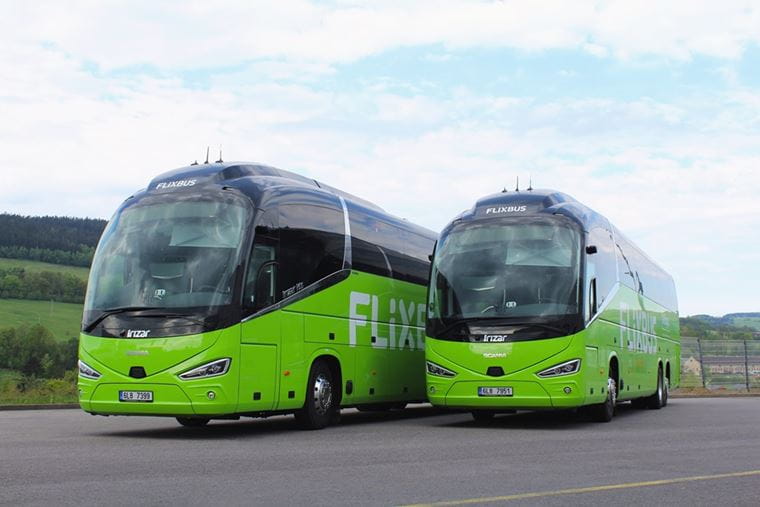
The Bus Offers 54 Seats and Meets the Highest Safety Standards
Drivers of the new buses have undergone training in the safe refuelling of LNG. They will have access to all six GasNet filling stations to ensure the route operates reliably.Introduced to the market in 2022, the LNG-powered Irizar i6s bus is the most environmentally friendly model from the Spanish manufacturer to date. Compared to previous models, it offers fuel consumption that is up to 13% lower. It was developed in cooperation with Scania, a leading manufacturer of LNG-powered trucks. The bus can carry 54 passengers and meets the highest safety standards.
